Prepare for a Texas Hurricane

be prepared for hurricane season

Hurricanes pose a significant threat to the plumbing system in your home. To prepare your house for a hurricane there are several steps you can take to limit plumbing-related issues during and after a hurricane.

Prepare Before the hurricane

  • Shut off the main water supply to the house. First, make sure you fill up any water storage containers you may have. Just before the storm it is a good idea to turn off the main water supply to your house. This way if your home is damaged in the storm and pipes are broken you do not have to worry about water bills or finding and turning off the valve during the storm.  Flooding in your area could also cause the water system to be contaminated.  Turning off the valve prevents any possible contaminated water from entering your home.  If there are no issues after the storm, simply turn the valve back on.
  • Inspect and secure outdoor fixtures. Clean out gutters, downspouts and drains that will handle rain and flood waters to prepare them for an influx of water. Secure any loose items like garden hoses to prevent their loss or any damage caused by them slamming into the house as the high winds blow. A garden hose attached to a house could be turned into a whip in hurricane force winds and repeatedly beat on your house.
  • Clear your drains. Have your inside drains cleaned out in advance so if you do find your home flooding, the drains will more quickly and efficiently help funnel the water out of the house, reducing damage. For help with this check out, Signs of Clogged Drains
  • Install backflow prevention devices. If you are in a flood prone area, we recommend installing backflow prevention devices.  These will help prevent your home from being used to contaminate the water supply in your area, by preventing any contaminants from utilizing your plumbing to access the main water pipes.
  • Keep emergency repair supplies on hand. Stock up on pipe or fittings which are used by your home and some basic tools to help you make repairs or apply temporary repairs to your plumbing, until a licensed plumber can get to you and effect repairs.
  • Evacuate if necessary. Prioritize you and your family’s safety and evacuate if necessary. Damage to your home can be repaired. Do not risk your life to protect it. Stay informed and follow the local authority’s instructions.

To find evacuation routes for to DriveTexas.org

Other helpful links include:

US Department of Homeland Security: Ready.org

Texas Department of State Health Services: TexasReady.gov

American Red Cross: RedCross.org


After the hurricane
The Plumber Protects the Health of the Nation, Original American Standard Plumbing Poster | David Pollack Vintage Posters

  • Inspect your plumbing system. When the hurricane is over and you are safe to return home, check your pipes and plumbing fixtures for leaks, cracks, or signs of damage to them.
  • Turn the water supply back on. If you turned the water off and no damage was visible to the plumbing system, slowly turn the water back on. Monitor your plumbing for leaks that may have been too small to see or obscured by walls or ceilings. If your home flooded or if the local authorities have confirmed contamination of the water supply, it is a good idea to have your water tested. Be sure not to drink any contaminated water.
  • Test your drains. Run water through all the drains in your home, checking to see if any drains became clogged during the storm.  If you notice any slow-draining fixtures or back-ups, contact a plumber to help clean out any debris that may have found its way into your pipes.
  • Contact a plumber. If your house or plumbing system received considerable damage, it may be best to contact a plumber to assess the home and ensure the safety and integrity of the plumbing system in your home. If you are able to make a DIY temporary fix to a plumbing issue we recommend letting the plumber know when they arrive so they can inspect the work and let you know if it will stand the test of time.

Plumbing is very important, and its proper function is to keep you and your family safe from viruses and diseases while supplying safe water.  A natural disaster like a hurricane can jeopardize these systems.  Taking these steps will help mitigate the problems a hurricane can cause to you, your home and your neighbors’ homes.  If you have any questions or concerns consult with a professional plumber to address your concerns.  We, here at JD Precision Plumbing Services, would be more than happy to put your mind at ease.
Houston Freeze Preparation

Prepare for freeze

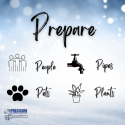
Freeze Preparation Houston and Surrounding Areas Need to Remember: The 4 P’s!

Freeze preparation doesn't have to be hard. Follow these quick tips to make sure your family is ready for the harsh cold.

People

Pets

Pipes

Plants

Prepare People for the freeze

Check on your heat sources and be sure you and your family have a good source of heat and, if possible, a backup source. Gather firewood, get batteries to manually turn on your propane fireplace if you lose power, find the blankets, pull out the winter gear, and start a big pot of grandma chili.

Don't forget about your neighbors. If you live near single parents or elderly, check on them before the freeze comes and let them know you are there if they need you. One of our favorite things about our home state of Texas is people care about and take care of each other. Now is a great time to show that kindness to those around you who may be new to the area.

Prepare Pets for the Freeze

If you have outdoor pets, prepare a space for them indoors where they can be safe from the harsh temperatures.

Prepare Pipes for the Freeze

Protect pipes
Keep pipes from bursting

Disconnect any water hose that may be outside.

Be sure any exterior pipes are covered. In a pinch, wrapping them with a towel or blanket is better than leaving them exposed. Consider outside pipes, attic pipes, and, if you live in an elevated home, pipes underneath as well.

The backflow preventer (connected to the sprinkler system) is the sure valves from the city to the sprinklers are closed, and the valve from the backflow preventer to the sprinkler system is open. Watch the video below to learn exactly how to do this and get other tips on freeze preparation.

Open any cabinets that are located on an exterior wall. This will allow the heat from the home to keep those pipes from freezing.

Let the water trickle. Turn the water on between the hot and cold just a bit. Do this at the fixture furthest from the water meter, If you live in a multi-level home, do it on each level.

It is hard to freeze running water in Houston.


Plant freeze prep
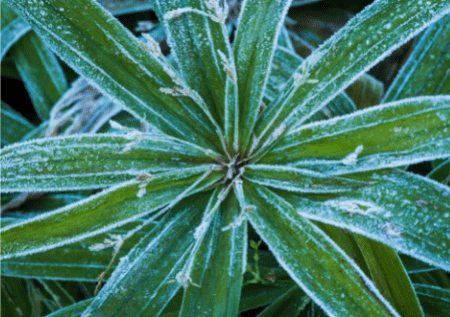
Protect your plants from freezing

Protect Plants for the Freeze

Bring any moveable plants indoors and cover any plants that are not made for the freezing temperatures. Thick plastic or a blanket will do the trick. If you are unsure which plants can make it or not, check out this page here at The Garden Channel.

For other Frequently Asked Questions, check out our FAQ page. 

Emergency! How Do I Prepare?

Emergency Preparedness

September is USA National Preparedness Month!

In an emergency water is ESSENTIAL to survival!

According to the Mayo Clinic drinking water does more than just quench your thirst — it’s essential to keeping your body functioning properly and feeling healthy. Nearly all of your body’s major systems depend on water to function and survive. Water is especially important in an emergency or disaster situation, when water from the city becomes undrinkable or stops flowing for any reason.

What you need to save water:

At least 1 gallon of water per person per day for several days, for drinking and sanitation. Keep in mind that individual needs will vary depending on health, age, physical condition, diet, and activity levels. Also, climate, here in Texas some of our worst storms hit when the temperature is very high- stay prepared for your family on an individual level, then assist others. You can only assist others if you are taken care of first.


How to store water before disaster strikes:

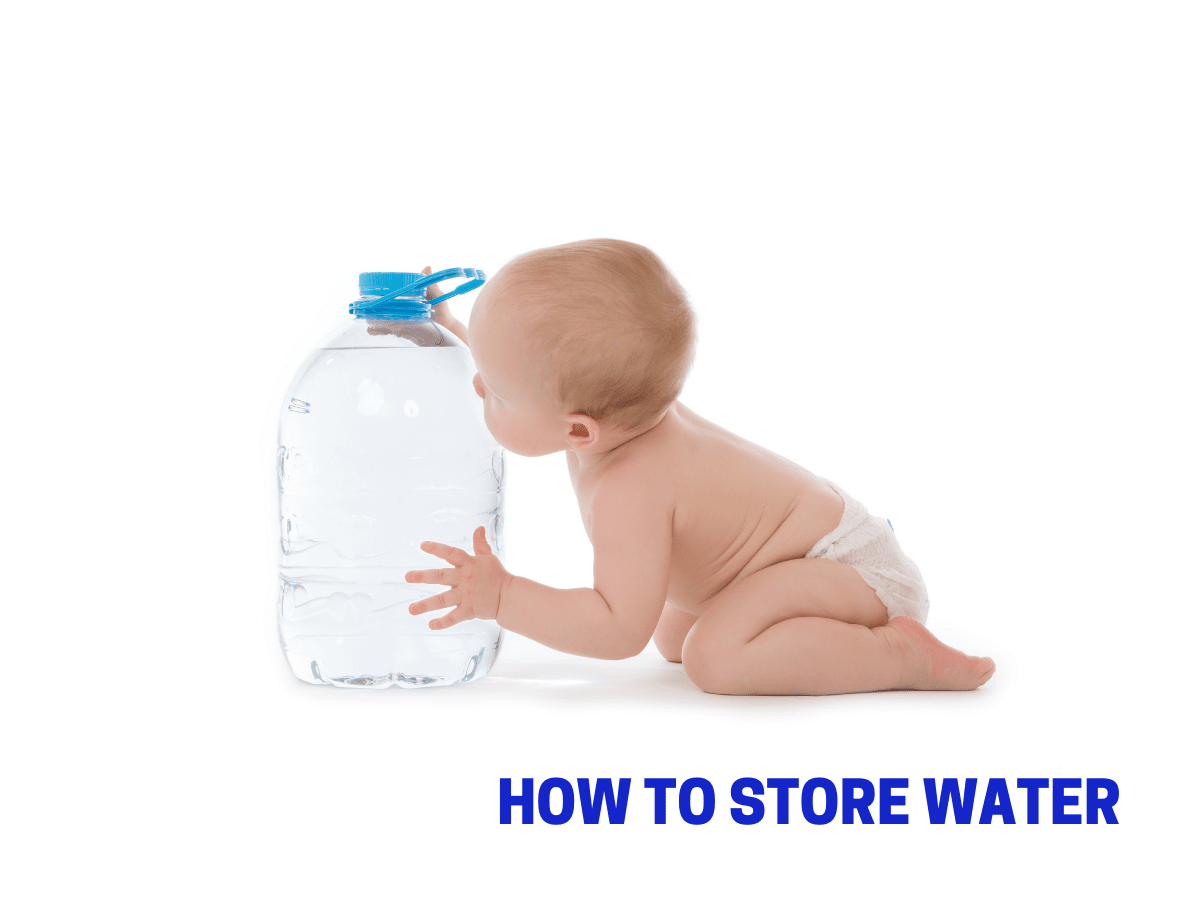
It is recommended to purchase commercially bottled water and store it in the sealed container in a cool dark place. If you must prepare your own containers of water, purchase food-grade water storage containers, and fill them with safe drinking water. Remember water that has not been commercially bottled needs to be replaced every six months. To be sure the water you are using is of good clean quality consider filtration options available to you here. Water Filtration

Stored water will have a better taste if you put oxygen back into it. To achieve this pour the water back and forth between two containers, this will also improve the taste!

Backup water storage in an emergency

Back up water storage option in an emergency:

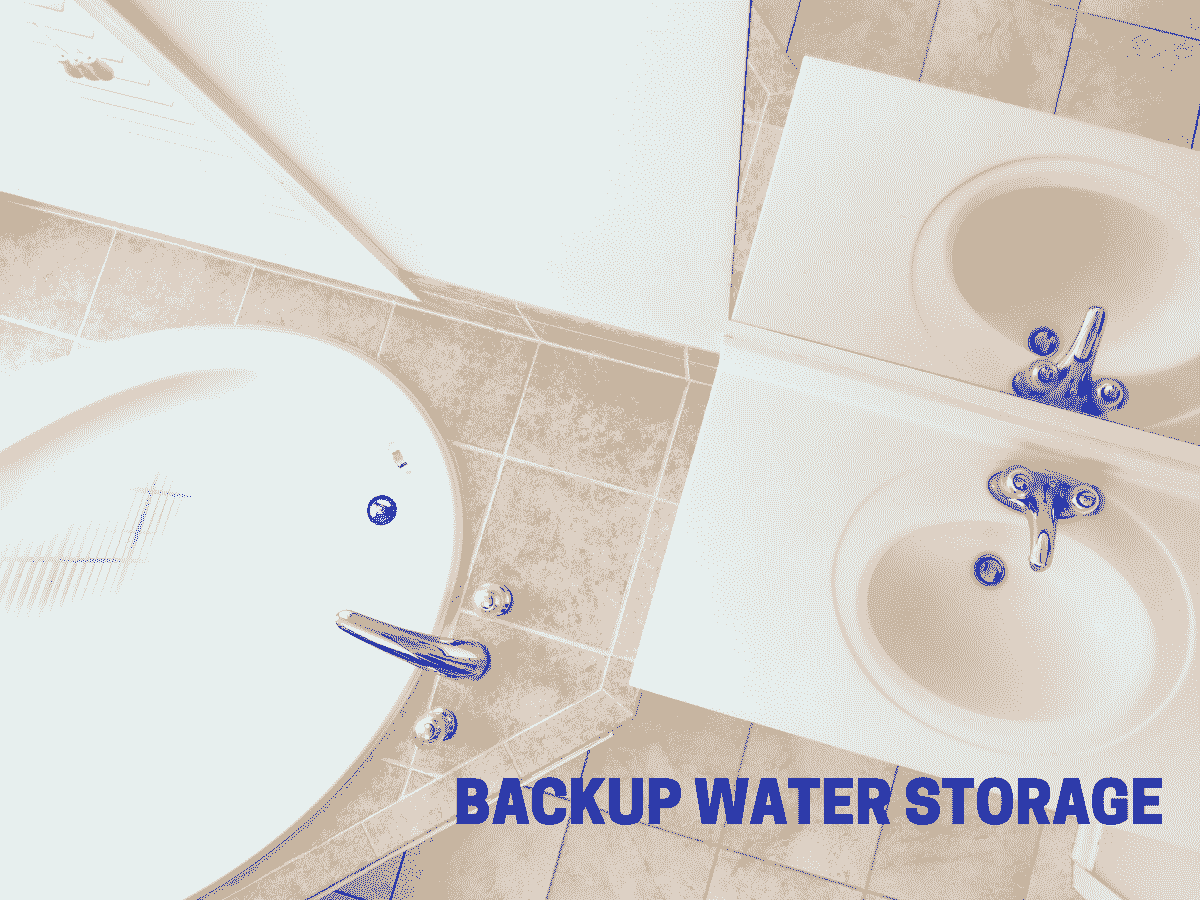
If no containers are available fill your bathtub with water. This can be used for drinking water, washing, and flushing the toilets. PLEASE use pre-cautions if there are small children in the home to prevent drowning accidents from taking place.


treating the water for an emergency

Treating the water in an emergency:

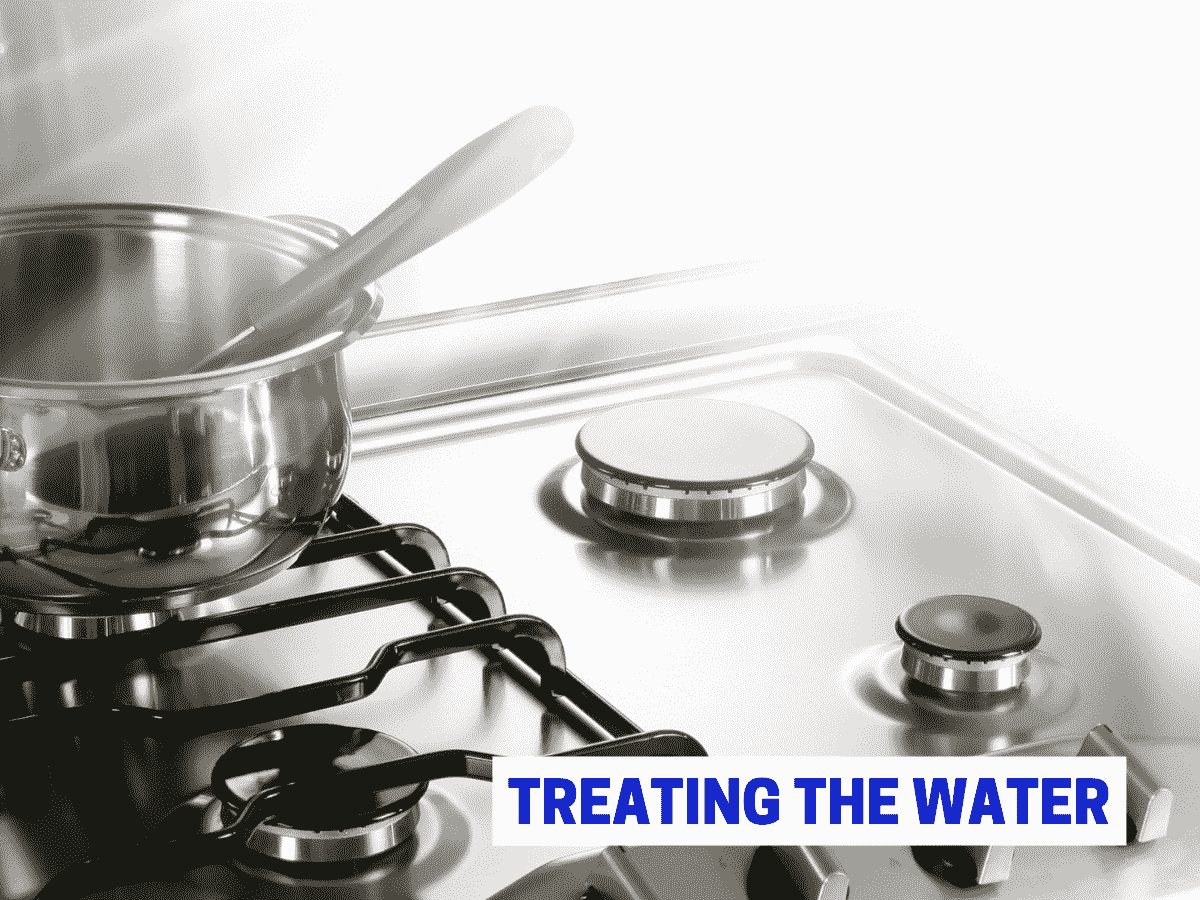
After all the safe clean drink able water is gone you should treat suspicious water before consuming. Boiling is the safest method of treating water. Before treating the water allow any thing floating to the water to settle to the bottom or strain the water through a clean cloth or coffee filter before boiling. Bring water to a rolling boil for one full minute, keeping in mind stove water will evaporate.  Let the water cool down before drinking. Failure to properly treat the water could cause diseases.

Consider these tips from ready.gov

  • Never ration drinking water unless ordered to do so by authorities.
  • Drink water that you know is not contaminated first
  • Do not drink carbonated or caffeinated beverages instead of drinking water.