Why HVAC Maintenance Is Essential for Texas Homes

If you live in Texas, your HVAC system works harder than almost anywhere else in the country. From triple-digit summer temperatures to fluctuating winter weather, cooling and heating systems often run for much of the year to keep your home comfortable. This constant demand means regular HVAC maintenance should be a top priority.

Whether you live in Conroe, The Woodlands, or Magnolia, regular HVAC repair services and HVAC cleaning can improve energy efficiency, extend the life of your equipment, reduce the risk of costly breakdowns, and even support healthier indoor air quality.

In this article, we’ll explore the benefits of routine HVAC maintenance, key signs your AC is in need of repair, and if/when it’s time to consider replacing your HVAC unit.

Schedule your HVAC repair or cleaning today.

Why Texas Homes Need More Frequent HVAC Maintenance

Unlike many parts of the country where air conditioning systems operate seasonally, Texas homeowners rely heavily on air conditioning for much of the year. High humidity in some regions, airborne dust, and seasonal allergens put additional strain on HVAC equipment that when left unaddressed can turn into bigger (more expensive) problems down the line.

When your HVAC system isn’t running properly, it has to work harder to cool your home, increasing wear and tear while driving up energy costs. Regular HVAC maintenance helps ensure your system is ready to handle the extreme demands of the Texas climate before extreme temperatures arrive.

The Benefits of Routine HVAC Maintenance

Scheduling professional HVAC maintenance at least once a year (ideally in the spring before temperatures soar) provides several important benefits.

Lower Energy Bills

As dust and debris build up inside your system, airflow becomes restricted and components must work harder to maintain the desired temperature. Professional cleaning and inspections help restore efficiency, allowing your HVAC system to cool your home using less energy and thereby contributing to lower monthly utility bills.

Fewer Unexpected Repairs

Small HVAC issues rarely stay small. Loose electrical connections, clogged condensate drains, worn belts, dirty coils, or failing capacitors can eventually lead to expensive system failures if left unchecked. Routine maintenance allows technicians to identify and repair minor issues before they become emergency HVAC repairs.

Longer Equipment Lifespan

It’s no secret that caring for something makes it last longer. Replacing an air conditioner is a major investment, and regular maintenance helps protect that investment by reducing unnecessary wear on critical components. When your system operates efficiently and receives routine inspections, it’s more likely to reach or even exceed its expected lifespan.

Improved Indoor Air Quality

Your HVAC system continuously circulates the air inside your home. Dirty filters, dust-covered coils, and clogged blower components can spread allergens, dust, pet dander, and other airborne pollutants throughout your living spaces. Routine maintenance includes cleaning critical components and replacing air filters, helping improve indoor air quality (IAQ) and creating a healthier home environment.

What Happens During a Professional HVAC Maintenance Visit?

A professional tune-up service from HVAC professionals involves much more than changing the air filter. For example here at JD Precision Plumbing & Air, a typical appointment will include:

  • Thermostat calibration: verifying accurate settings to ensure optimal temperature control and system efficiency.
  • Refrigerant level assessment: testing and adjusting refrigerant levels to maintain consistent cooling performance and prevent undue strain on the system.
  • Coil cleaning: rinsing coils to remove accumulated dust and debris, improving heat transfer and overall efficiency.
  • Fan and blower inspection: confirming that fan and blower components are functioning properly to maximize airflow and comfort.
  • Electrical component review: examining electrical connections and components to help prevent malfunctions and reduce potential safety hazards.
  • Air filter replacement: when a filter is provided by the customer, our technicians will install it to help improve indoor air quality and support energy efficiency through unobstructed airflow.
  • Duct and vent inspection: evaluating ductwork and vents for leaks or blockages that could compromise system performance.

These preventative services help your system operate safely, efficiently, and reliably throughout the entire year—no matter the season.

Work with our experts to schedule your routine HVAC tune-up

Warning Signs Your HVAC System Needs Attention

Even if your HVAC system is still running, it may be overdue for maintenance if you notice the following:

  • Rising energy bills
  • Weak airflow from vents
  • Uneven cooling
  • Excessive indoor dust
  • Musty odors
  • Frequent cycling
  • Strange noises
  • Higher indoor humidity
  • Allergy symptoms worsening indoors

Ignoring these warning signs can lead to more significant repairs and in some cases complete system failure, which is not ideal during the hottest days of summer.

Simple Maintenance Tips Between Professional Visits

While professional maintenance is essential, homeowners can do their part to keep their systems running efficiently by:

  • Replacing filters every one to three months
  • Keeping outdoor condenser units free of leaves and debris
  • Making sure vents remain open and unobstructed
  • Monitoring your thermostat for unusual cycling
  • Scheduling a service before the peak summer season
  • Watching for changes in airflow or unusual noises

These simple habits can go a long way in helping to reduce strain on your equipment and ensure it’s working properly throughout all seasons.

How Routine HVAC Maintenance Saves Texas Homeowners Money

For many Texas homeowners, cooling costs make up one of the largest portions of their monthly utility bill. According to the U.S. Department of Energy, heating and cooling account for about 50% of the average home’s energy use, making your HVAC system the single biggest energy consumer in most households.

In Texas, the average homeowner can spend $150 to $300 more per month on electricity during peak summer months. When an HVAC system isn’t running properly, it has to work even harder to achieve the same level of comfort. Dirty air filters restrict air flow, dust-covered evaporator and condenser coils reduce heat transfer, and worn components force the system to run longer than necessary, resulting in higher energy consumption, increased wear, and more frequent repairs.

Simply replacing a dirty air filter can lower an air conditioner’s energy consumption by 5% to 15%. For Texas homeowners spending around $2,000 annually on cooling costs, improving efficiency by just 10% could translate to approximately $200 in annual energy savings. Over the 12-15 year lifespan of a typical air conditioning unit, those savings can add up to $2,400 to $3,000.

Signs It’s Time to Replace Your HVAC Unit

replacementNot sure if your system needs a tune-up or if you need a new HVAC installation? The good news is, your unit sends clear signals when it's nearing the end of its life. Here are some factors which may indicate it is time to replace:

  • Your system is over 10–15 years old
  • It requires increasingly frequent or costly repairs
  • Your energy bills keep climbing without explanation.

While there are many potential reasons, these three are strong indicators it's time to consider replacement. Other warning signs include uneven cooling throughout your home, unusually loud operation, and outdated refrigerant (like R-22) that no longer meets current environmental standards.

Rather than continuing to sink money into an aging, inefficient system, homeowners can turn to trusted local experts like JD Precision Plumbing & Air for a professional evaluation and seamless AC replacement.

Final Recap: Protect Your Comfort with Routine HVAC Maintenance

Texas weather is tough on HVAC systems, but routine maintenance can help your equipment perform at its best when you need it most. From improving energy efficiency and reducing repair costs to extending equipment lifespan and enhancing indoor air quality, preventative maintenance offers long-term value for Texas homeowners.

JD Precision Plumbing & Air offers flexible financing through First Financial Bank. With a simple online application and fast credit decisions, you can move forward with essential HVAC services without upfront costs. Customers can choose from multiple payment plans and schedules to fit their budget. To learn more, contact our customer service team to answer questions on eligibility, rates, and coverage.

Don’t wait for your air conditioner to fail during a Texas heat wave. Enjoy reliable comfort all year long and schedule professional HVAC maintenance today.

Frequently Asked Questions

How often should I schedule HVAC maintenance in Texas?

Most HVAC manufacturers and technicians recommend professional maintenance at least once a year, ideally in the spring before peak cooling season begins. Homes with older systems, pets, or higher dust and allergen exposure may benefit from twice-yearly visits, once before summer and once before winter, to keep both heating and cooling components running efficiently.

How much does HVAC maintenance typically cost compared to a repair?

Routine maintenance visits are generally far less expensive than repairs, and significantly less expensive than replacing a failed system altogether. Since regular tune-ups catch minor wear and tear before it becomes a larger issue, the upfront cost of maintenance often pays for itself through fewer emergency repairs and lower energy bills over time.

Can I do HVAC maintenance myself, or do I need a professional?

Homeowners can handle simple tasks like replacing air filters, clearing debris from around the outdoor condenser unit, and keeping vents unobstructed. However, tasks like refrigerant checks, electrical component inspections, and coil cleaning require specialized tools and training. A professional visit ensures your entire system, not just the parts you can see, is inspected and functioning safely.

What size or type of HVAC system is best for a Texas home?

The right system size depends on your home's square footage, insulation, sun exposure, and number of occupants. An oversized or undersized unit can lead to poor efficiency, uneven cooling, and premature wear. A professional evaluation, like the ones offered as part of JD Precision Plumbing & Air's installation services, can help determine the best system and size for your specific home.

How do I know if I should repair my HVAC system or replace it?

As a general rule, if your system is under 10 years old and the repair cost is less than half the price of a new unit, repair is usually the better option. If your system is older, requires frequent repairs, or relies on outdated refrigerant like R-22, replacement is often more cost-effective in the long run. Our team can provide a professional evaluation to help you make the right call for your home and budget.

Understanding Sewer Camera Inspections and When to Schedule One

camera

Sewer Camera Inspection Explained

Unexpected sewer line blockages, leaks, and other problems can be frustrating and costly, so it’s important to have them fixed as soon as possible. An effective way to identify the problem affecting the sewer line is with a sewer camera inspection. This guide to sewer video inspection will offer insights into when it’s needed, its advantages, and the problems it can catch. 

Signs Sewer Video Inspection Is Needed
wet grass Plumbing systems often send clear distress signals when sewer line issues begin to develop. Recognizing these warning signs early on can signal when a professional sewer camera inspection is necessary, potentially saving money on more major repairs. Drains often reveal important stories about underground conditions.

Slow-draining sink and shower drains frequently serve as red flags for developing sewer line problems. When multiple drains throughout a property exhibit these symptoms, it typically suggests a sewer line clog rather than a localized issue. Gurgling sounds from toilets or drains often indicate trapped air caused by blockages. These drainage issues seldom resolve without professional attention.

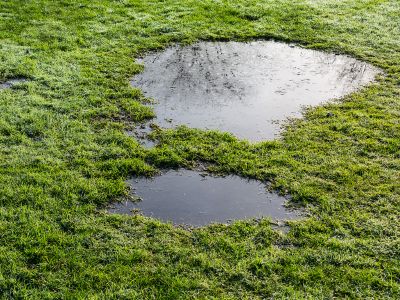
Evidence of sewer problems isn't limited to indoor plumbing. Yards often provide visible signs that warrant immediate inspection. Unusually lush patches of grass or unexpected wet areas and puddles may suggest underground sewer line leaks that nourish vegetation or create pooling. Foul odors indoors or outdoors can signal escaping sewage from damaged pipes. Promptly addressing sewer leaks helps prevent groundwater contamination and health risks.

Other warning signs include recurring clogs despite repeated clearing, water backing up into toilets or drains, and unexplained cracks or settling in foundations. Properties over 25 years old with original sewer lines may benefit from proactive camera inspections to detect potential issues before they escalate. Early identification remains one of the most cost-effective ways to maintain a healthy sewer system.

Issues Sewer Camera Inspection Can Catch

pipes Sewer video inspection technology allows for the detection of hidden problems within drainage systems without the need for invasive digging. By inserting a small, high-resolution camera into sewer lines, it becomes possible to identify various conditions that could lead to severe damage if left unchecked. These drain cameras offer detailed visuals of pipe interiors.

A clogged sewer line is among the most common discoveries during inspections. Grease buildup, debris, or foreign objects can clog the line and significantly restrict drainage, all of which are clearly visible through the camera. Cracks, leaks, and other damage or structural issues that allow wastewater to seep into the surrounding soil can also be identified during these inspections.  

Aging pipes are particularly vulnerable to corrosion. Video inspection enables plumbers to assess the condition of sewer lines and identify corroded, rusted, or deteriorated pipes. Tree root intrusion is another issue that can be seen by the camera. It occurs as the roots seek moisture and infiltrate through even small openings in the line. It can develop into a major obstruction.

A serious problem identifiable through camera diagnostics is pipe collapse. When sections of piping fail entirely, replacement may be the only option. Regular sewer video inspections enable early intervention before damage worsens and repairs become more costly. 

Benefits of Sewer Line Video Inspection

Modern sewer video inspection offers several significant advantages. Using waterproof cameras, technicians can examine pipes internally without disturbing the property. The footage reveals precise problems and conditions of underground piping, allowing for the accurate identification of tree root intrusions, collapses, blockages, and more, removing guesswork from the equation.

A major benefit of this technology is the elimination of unnecessary excavation. Traditional troubleshooting methods often involved digging multiple exploratory holes, resulting in landscape damage and higher costs. With video inspection, problem areas are pinpointed with accuracy without the need to excavate or dig. 

Another important advantage is diagnostic precision. Rather than relying on assumptions, visual confirmation reveals the exact nature and location of each issue. Whether the cause of a slow drain is grease or invasive roots, the camera provides definitive answers. After repairs, a follow-up inspection verifies that all issues have been resolved, offering confidence in the repair work and helping prevent future surprises.

About JD Precision Plumbing & Air

JD Precision Plumbing & Air is a family-owned and operated company serving the Spring community. They provide hassle-free service, no mess left behind, and a 100% satisfaction guarantee. Call them for sewer video inspection services in Spring, TX.

Easy Ways to Save Money on Water Costs

save money

Save Money Without Sacrificing Convenience and Comfort

This guide provides practical and actionable solutions for homeowners hoping to cut down on water costs. High water bills can be a financial strain, but this resource offers easy-to-follow tips that help lower costs and promote water conservation. With expert insights and plumbing upgrades, people can implement these simple strategies to improve their home’s efficiency and protect themselves from the ongoing rise in utility prices.

Water Saving Habits

sinkDaily water conservation habits can significantly lower household water costs with minimal effort. Turning off the faucet while brushing teeth can save up to eight gallons daily, while adopting the same practice when shaving conserves even more per shave. Many homeowners are unaware that allowing water to run continuously during routine bathroom activities can waste hundreds of gallons each month.
In the kitchen, modern dishwashers offer a highly water-efficient alternative to hand-washing dishes. Using just 3-5 gallons per cycle, dishwashers consume far less water than washing the same number of dishes by hand, which can require over 20 gallons. Maximizing dishwasher efficiency by loading it strategically and skipping pre-rinsing can save a family of four up to 6,000 gallons of water annually.

Outdoor water usage presents another significant opportunity for conservation and cost savings. Watering lawns early in the morning or late in the evening minimizes evaporation, allowing the soil to retain moisture more effectively. Installing a rain barrel collection system provides a sustainable garden water source while reducing stormwater runoff. With nearly 30% of daily household water consumption occurring outdoors, these adjustments can substantially impact water bills.

Invest in Water-Saving Fixtures

shower head For homeowners looking to reduce water bills without sacrificing performance, modern water-saving fixtures offer an ideal solution. High-efficiency plumbing systems can cut water usage by 20-50%, with the investment paying for itself quickly. These fixtures maintain strong water pressure while using significantly less water overall, providing an effective way to lower costs while ensuring optimal performance.
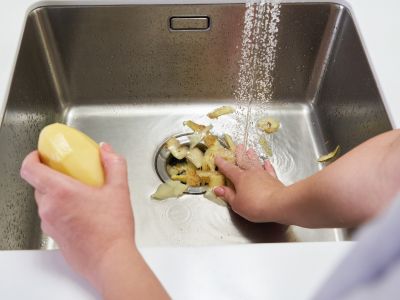
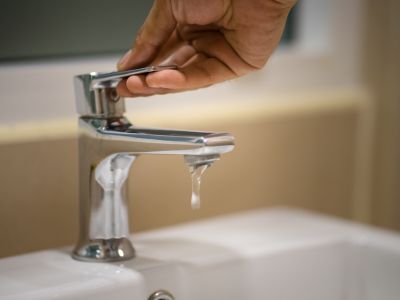
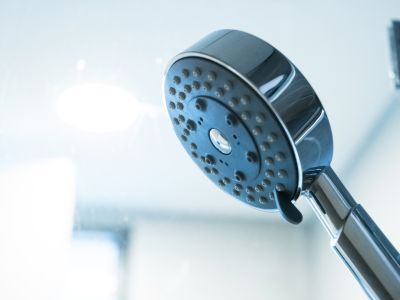
A simple upgrade like a low-flow showerhead can save tons of water—older ones use 5-8 gallons per minute, while low-flow models use just 1.5-2.0 gallons. Installing water-efficient faucet aerators will also cut sink water flow by 30%, and WaterSense toilets use only 1.28 gallons per flush, saving nearly 13,000 gallons per year for the average family.

Smart irrigation controllers eliminate the guesswork of watering by adjusting schedules according to weather conditions and soil moisture. Drip irrigation systems deliver water directly to plant roots, cutting water usage by up to 60%. These upgrades not only help conserve water but also significantly reduce utility bills.

Fix Leaks

Undetected water leaks can lead to consistently high water bills, wasting thousands of gallons yearly. Identifying and repairing leaks promptly is one of the most effective ways to conserve water and reduce utility costs. According to the EPA, the average household loses nearly 10,000 gallons of water annually due to leaks—enough to wash 300 loads of laundry. Fortunately, many common leak indicators can be identified with careful observation.

Signs of hidden plumbing issues include unexplained damp spots on walls, ceilings, or floors, as well as unusual dripping sounds, particularly at night. A sudden increase in water bills despite normal usage often indicates a leak. In contrast, decreased water pressure, mold growth, or water meter movement when all fixtures are off can also signal a problem.

Locating the exact source of a leak can be difficult. While DIY repairs may seem cost-effective, professional plumbers use specialized leak detection equipment to pinpoint issues without unnecessary damage. Their expertise ensures lasting repairs that prevent further water waste and structural damage. Investing in professional plumbing services ultimately leads to lower water bills and greater home efficiency.

About JD Precision Plumbing & Air

JD Precision Plumbing & Air, founded in 2010, is a family-owned company serving Conroe, The Woodlands, and surrounding areas. We prioritize honesty, upfront pricing, and quality workmanship, ensuring reliable service and customer satisfaction. For top-tier plumbing services in Spring, TX, call today!

Ways to Help Keep the Garbage Disposal Running Smoothly

garbage disposal

How to Take Better Care of Garbage Disposals

A properly functioning garbage disposal is a household convenience often taken for granted until it stops working. This hardworking kitchen appliance helps keep pipes clear and helps avoid clogs by grinding up food scraps so they can travel safer through the pipes. However, without proper care and good habits, garbage disposals can quickly become a source of unpleasant odors, costly repairs, and a clogged sewer line. Knowing how to use and maintain the garbage disposal is essential to prevent problems and clogs.

Be Mindful of What Goes Down the Disposal 

sinkA garbage disposal is designed to handle some specific food scraps, but many homeowners inadvertently damage their units or cause a sewer line clog by disposing of the wrong items in their disposals. Never put fibrous materials and vegetables like celery, corn husks, and asparagus down the disposal, as these can wrap around the blades and cause jams.
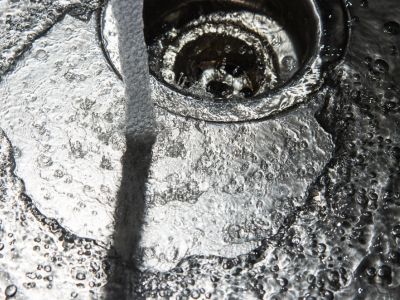
Also, avoid disposing of things like potato peels, coffee grounds, eggshells, and expandable foods like rice or pasta down the disposal, which can create clogs and disposal issues. Grease, oils, and fats are also strictly off-limits, as they solidify when cool and create stubborn blockages. Non-food items should also never be put into garbage disposals.

It is often simpler to know what can be safely disposed of in the garbage disposal. This includes small amounts of fruit and vegetable scraps, excluding the previously mentioned fibrous varieties or potato peels, small amounts of cooked meat scraps without bones, and citrus peels. Remember that the garbage disposal is not a trash can, so when in doubt about whether something is safe to dispose of, it's better to be cautious and throw it in the garbage or compost bin.

Run the Disposal With Cold Water and Ice

sinkRunning cold water while operating the garbage disposal is essential for its optimal performance and longevity. The cold water helps solidify any grease or oils that may have made their way into the disposal, allowing the blades to break them down more effectively rather than having them coat the mechanisms and pipes. Additionally, continuing to run cold water for 15-20 seconds after turning off the disposal helps flush food particles completely through the drain line, preventing potential clogs and buildup.

Regularly running ice cubes through the disposal can help serve as a natural cleaning agent for the garbage disposal, making them an excellent maintenance tool. When fed through the running disposal, the ice helps clean the grinding chamber and blades, removing accumulated food particles and buildup. The combination of ice and cold water creates a slushy mixture that helps clean areas of the disposal that are otherwise difficult to reach. This method is particularly effective when performed monthly, though some recommend doing it as often as weekly for heavily used disposals. 

Don’t Put Too Much Down the Disposal at Once

Overloading the garbage disposal is another common mistake that can lead to clogs, jams, and mechanical failures. While these units are designed to handle small amounts of certain food waste, they have limitations on both the quantity and size of items they can process effectively. A good rule of thumb is to feed food waste gradually in small amounts, allowing the disposal to completely grind each portion before adding more. This measured approach prevents the motor from straining and ensures thorough grinding of all food particles to avoid clogs.

When dealing with larger food scraps, take the time to break them down into smaller, more manageable pieces before putting them in the disposal. This helps prevent overwhelming the grinding mechanism. Running cold water continuously while operating the disposal will also help move the ground food through pipes and prevent the motor from overheating. Knowing how to use the garbage disposal properly can help extend its lifespan and maintain optimal performance.

About JD Precision Plumbing & Air

JD Precision Plumbing & Air is a local commercial and residential plumbing company serving Spring, TX, and the surrounding areas. They offer upfront pricing, a transparent process, and strong communication. Call them for kitchen plumbing and garbage disposal services in Spring, TX

Why Annual Plumbing Maintenance Matters in Every Home

plumbing materials

Understanding the Scope of Plumbing Maintenance

Plumbing systems play a crucial role in every home, and when they fail or encounter issues, it can lead to significant frustration for everyone. The challenge is that we often take our plumbing for granted, assuming it will function properly at all times. However, this isn't always the case. Homeowners can prevent major problems by investing in regular plumbing maintenance services, which help ensure that everything is running smoothly and allow for the early detection of potential issues.

Plumbing Maintenance Benefits

save money The reality is that being proactive offers numerous benefits compared to being reactive. No homeowner wants to deal with a clogged sewer line late at night or during the holidays. The best way to steer clear of such issues is to schedule regular maintenance with a professional, ensuring everything stays in top condition.

These are a few of the benefits of plumbing maintenance services: 

  • Prevent big plumbing problems
  • Catch potential issues early
  • Extend the lifespan of systems, fixtures, and appliances
  • Save money by reducing major repairs or replacements

Having a plumber check the pipes and performing regular maintenance on the water heater is an incredibly beneficial strategy. Preventative maintenance helps keep systems functioning well, identifies problems early on, ensures optimal performance, and prevents significant failures.

Professional Plumbing Maintenance Services

The plumbing experts recommend having an annual inspection of the plumbing completed as well as annual water heater maintenance. Some companies combine these two things, while others might separate them into different service calls. 

Having a professional check the systems, perform drain cleaning, and catch any plumbing repair or plumbing replacement needs early will offer substantial benefits for the future. A plumber will typically do these things: 

  • Check all lines for any hidden leaks or damages
  • Flush or clean pipes to clean and clear
  • Inspect drain lines to ensure proper drainage

If plumbing repairs are necessary, professionals will offer their recommendations. If the plumber proposes a viable solution, it’s wise to consider their advice, as this could save you money in the long run. They possess the right tools and expertise to pinpoint and resolve potential issues—knowledge that most homeowners simply lack.

Keep Up With Water Heater Maintenance

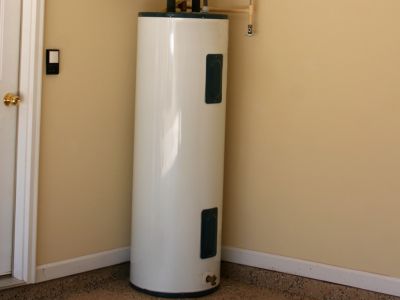
water heater If regular plumbing maintenance doesn’t include water heater upkeep, it's important to arrange for it separately. The water heater plays a crucial role in providing hot water throughout the home whenever it’s needed. However, it can be subject to issues such as wear and tear, rust or corrosion, and sediment buildup over time.
The water heater needs to be flushed once a year to help clean it out and allow the parts to be inspected to ensure everything is running as it should. When a homeowner maintains the water heater, it is likely to last much longer, and any possible issues are going to be caught before they turn into big problems. It’s a smart investment to consider. 

About JD Precision Plumbing & Air

JD Precision Plumbing & Air has served the community since 2010. This family-owned company has worked hard to build a reputation for trustworthy and reliable services for all plumbing needs. They provide many different services and options. Contact them for your plumbing services in Spring, TX.

Picking the Right Water Heater for the Home

water heater

Pros and Cons of Different Water Heaters

Selecting the right type of water heater for a home is a critical decision that impacts comfort, energy usage, and budget. Each type of water heater has its advantages and drawbacks. Understanding these can help homeowners make an informed choice that meets their needs. Here are three common water heater options available to homeowners today:

Gas Water Heater

water heater Gas storage water heaters are the most popular water heaters in US homes. They use fossil fuels like propane and natural gas to feed powerful burners that heat water as it enters the home. 
Pros:

Energy Efficiency: Gas water heaters heat water faster. They use less energy than electric models, making them a cost-effective option for households with high water usage.
Lower Operating Costs: Because natural gas is cheaper, the operating costs of a gas water heater are typically lower over time than those of an electric one.
Faster Recovery: Gas water heaters can heat back up faster than electric water heaters after the tank has depleted. 

Cons:

Safety Issues: If it’s not properly maintained, gas water heaters pose safety risks, such as gas leaks and carbon monoxide exposure.
Shorter Lifespan: On average, gas water heaters have shorter lifespans than electric models, which can lead to more frequent replacements.

Electric Water Heater

Electric water heaters are the second most popular choice for water heating in US homes. In an electric water heater, electrical current flows through the heating elements in the tank. Like gas storage water heaters, electric storage water heaters store the hot water in a tank. Benefits and drawbacks of electric water heaters include: 

Pros:

  • Lower Initial Cost: Electric water heaters are generally cheaper to purchase and install, making them a good choice for budget-conscious homeowners.
  • Enhanced Safety: Electric water heaters are considered safer without the risk of gas leaks or carbon monoxide exposure.

Cons:

  • Higher Operating Costs: Electricity tends to be more expensive than natural gas, leading to higher monthly energy bills.
  • Dependence on Power Supply: Electric water heaters will not function during power outages. This can be inconvenient in areas prone to blackouts.

Tankless Water Heater

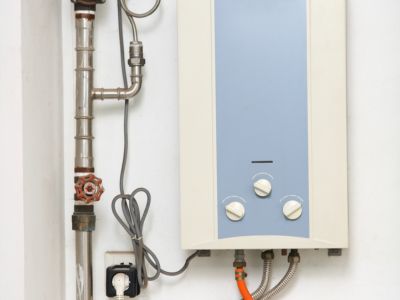
water heater Tankless water heaters are the least popular option in pure numbers on the market, but they are the fastest-growing segment of water heater installations. Tankless water heaters do away with all the drawbacks of storage water heaters and provide ample hot water. They do this by eliminating the tank. Instead, burners or heating elements heat the water on demand as soon as it flows from the unit to the point of use. The burners won’t shut off until demand is gone, meaning endless hot water at a lower price since the unit constantly works to keep water warm on standby. 
One drawback of tankless heaters is that many homes are incompatible without upgrades to wiring or gas lines. Because these units use so much energy, they may require extra installation costs. 

About JD Precision Plumbing & Air

JD Precision Plumbing & Air specializes in installing gas, electric, and tankless water heaters. Their teams work to the highest standards of satisfaction and workmanship. Call today for water heater services in Spring, TX.