Whole-Home Generator Installation in North Houston: Now Available from JD Precision Plumbing & Air

Whole-home standby generator keeps the power on during outages in The Woodlands, TX

If you're searching for reliable generator installation in The Woodlands, Conroe, or Spring, TX, JD Precision Plumbing & Air has you covered.

We now sell and install whole-home standby generators designed to keep your power on—even when the grid goes down. Whether it's severe weather or unexpected outages, a backup generator gives your family the security and comfort they deserve.


✅ Benefits of Installing a Whole-Home Generator in Texas

Investing in a professionally installed generator means:

  • Automatic power during outages—no more fumbling with portable units

  • Continuous comfort and safety for your home and family

  • Protection for your appliances, water heater, sump pumps, and HVAC system

  • Increased home value and long-term peace of mind

Our systems run on natural gas or propane, and we’ll help you determine the right size and brand to fit your home’s needs.


🛠️ Trusted Generator Sales & Installation in The Woodlands, Spring & Conroe

JD Precision Plumbing & Air has earned a reputation for dependable, professional work—and we’re bringing that same excellence to generator installations across North Houston.

When you call us, you’re getting:

  • A licensed team to guide you through the process

  • Complete coordination with electricians and gas utilities

  • Permitting, testing, and full system walkthroughs

  • Honest, upfront pricing with no surprises

We make the entire process simple and stress-free—so you’re ready before the next storm hits.


💡 Get a Free Generator Quote Today

Don’t wait for the next outage. If you’ve been searching for:

  • Generator installers near me

  • Standby generator for home in The Woodlands

  • Home generator installation Spring TX

  • Backup power for house Conroe TX

…you’ve found the right team.

Call (832) 743-7700 or schedule your free in-home generator consultation online today.


Power your home. Protect your family. Trust JD Precision Plumbing & Air—North Houston’s reliable generator installation experts.

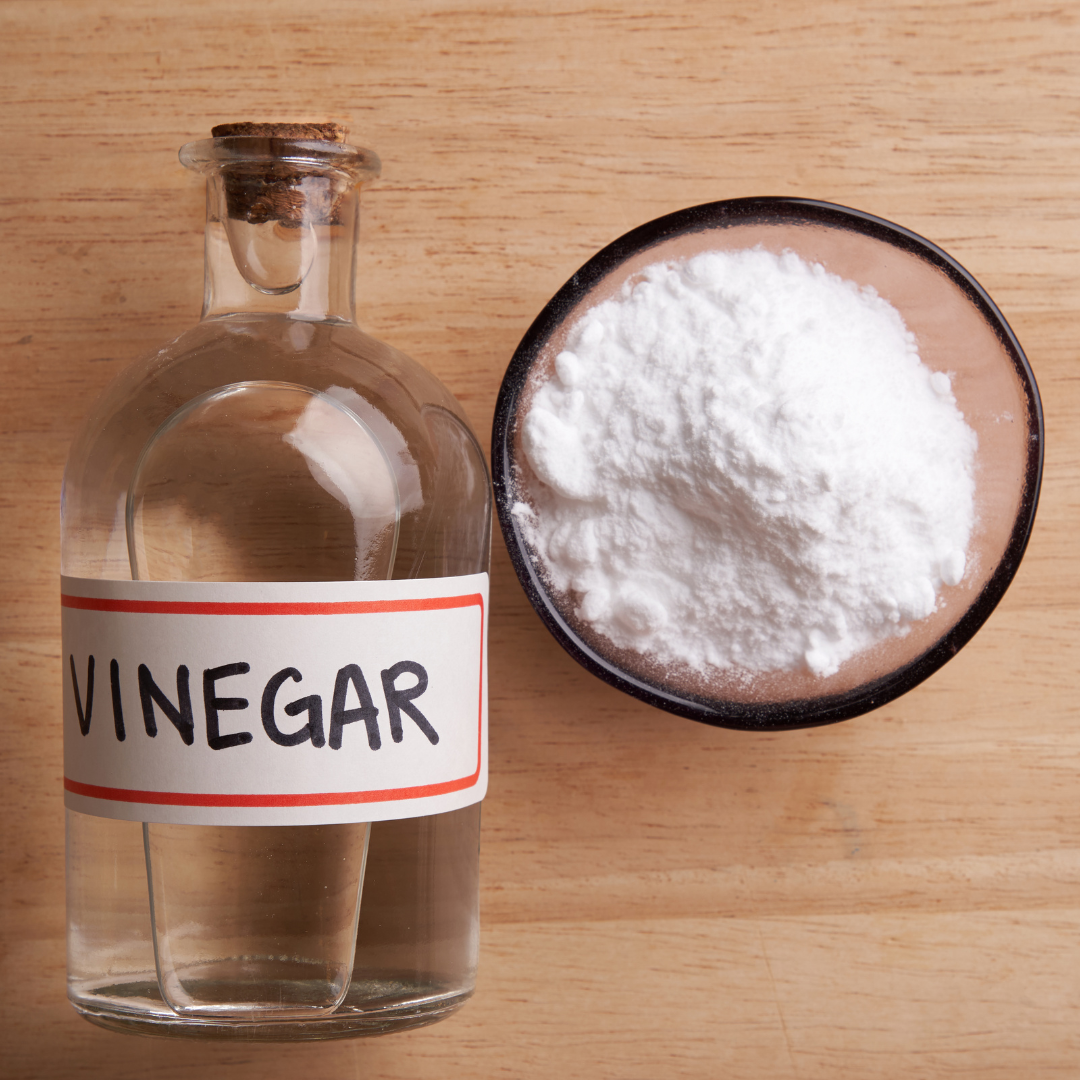
White Vinegar: The secret weapon!

Its National Vinegar Day! This pantry staple has been humbly sitting in our kitchens, only getting its moment of fame when we whip up a salad dressing. But did you know that this modest condiment packs a punch when it comes to home and plumbing maintenance? Dive in as we reveal the many hats white vinegar wears beyond culinary uses.

1. A Natural Cleaner and Deodorizer:

White vinegar is a powerful cleaning agent. Thanks to its acid nature, it can break down grease, grime, and mineral deposits. A quick wipe of surfaces with white vinegar not only cleans but also leaves behind a fresh and natural scent, getting rid of nasty odors.

2. Say Goodbye to Stubborn Stains:

Spilled some coffee or dark juice? Before you panic, reach for your white vinegar. Blot the spill, and then dab with a white vinegar solution. It acts as a gentle stain remover on fabrics, carpets, and even some hard surfaces.

Plumbing-Specific Benefits:

3. Unclog and Refresh Your Drains:

If your sink is draining slower than a tortoise race, try a vinegar fix. Mix equal parts of baking soda and white vinegar, pour down the drain, wait for the fizzy reaction, and flush with hot water after about 10 minutes. This combo can break down minor blockages and freshen up the drain.

4. Demineralize Faucets and Showerheads:

Hard water can leave behind mineral deposits on your faucets and showerheads. A simple solution? Soak a cloth in white vinegar, wrap it around the affected area, and let it sit for an hour or so. Once you remove the cloth, you’ll find the deposits much easier to wipe away.

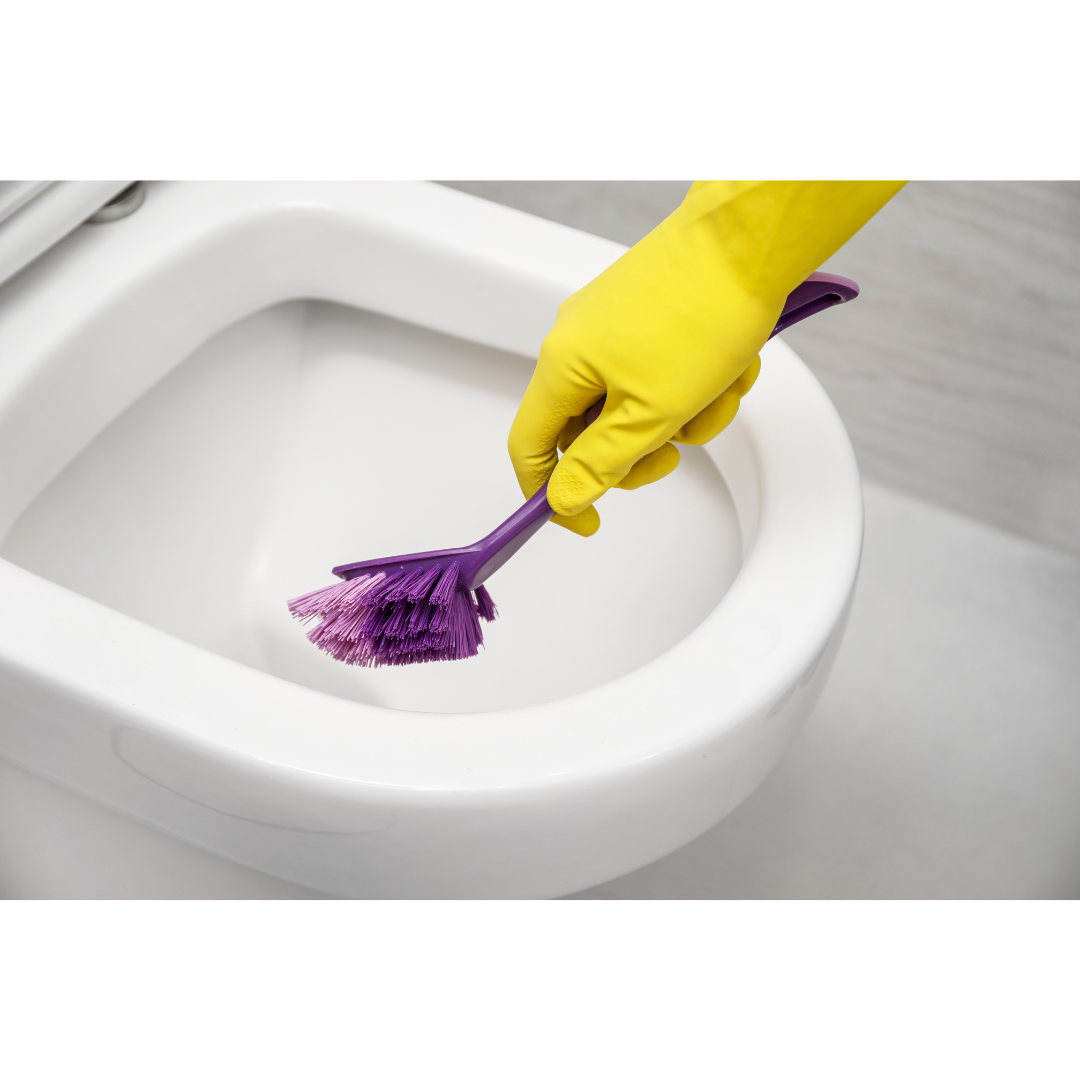
5. Sparkling Toilet Bowls:

Pour a couple of cups of white vinegar into your toilet bowl, leave it overnight, and give it a good scrub in the morning. It helps dissolve those unsightly mineral rings.

6. Garbage Disposal Freshener:

To eliminate odors and refresh your garbage disposal, pour half a cup of white vinegar down, let it sit for a few minutes, and then rinse with cold water.

7. Machine Maintenance:

Periodically running white vinegar through your washing machine or dishwasher can help in removing soap scum, mineral buildup, and deodorizing the interiors.

8. Clear the Cloudiness:

Glass shower doors often get cloudy due to soap scum and hard water. Wiping them with white vinegar helps restore their clarity.

Conclusion:

White vinegar is not just a kitchen essential but a versatile home and plumbing companion. While it offers an eco-friendly and cost-effective solution for many minor issues, for more significant plumbing problems, always consider consulting a professional.  And if you want to rid yourself of the build up that hard water can cause, consider a water softner. Next time you pass by that bottle of white vinegar in your pantry, give it a nod of appreciation – it truly is the unsung hero of home maintenance!

Click here for water softner info! 

Why Do I Hear Knocking Noise When I Turn On the Water in My Home?

Do you hear a knocking sound every time you turn on the water in your home? If so, you're not alone. This is a common problem that many homeowners face, and it can be caused by several different factors. Understanding the cause of this noise can help you determine the best course of action for fixing it.

high water pressure

Water Hammer

Water hammer is a term used to describe the knocking sound that occurs when you turn off a faucet or valve quickly. This sound is caused by a sudden change in water pressure, which creates a shockwave in the pipes. To fix this issue, you can install a water hammer arrestor, which is a device that helps absorb the shock and reduce the noise.

Loose Pipes

If your pipes are not securely fastened, they can rattle and make a knocking sound when water is flowing through them. This is especially common in older homes with galvanized steel pipes. To fix this issue, you'll need to have a plumber tighten the pipes and secure them in place.

High Water Pressure

High water pressure can also cause knocking sounds in your pipes. If the water pressure in your home is too high, it can put too much stress on your pipes and cause them to rattle. To fix this issue, you'll need to have a plumber install a pressure reducing valve to lower the water pressure.

Air in the Pipes

Air trapped in your pipes can cause knocking sounds when the water is turned on. This is because the air creates pockets of turbulence that can make your pipes vibrate. To fix this issue, you'll need to have a plumber bleed the air from your pipes to eliminate the turbulence.

Unwanted House Guest

Here in the Houston region it could actually be a four legged friend in your attic. If the unwanted animal is near plumbing pipes the water being turned on might cause them to stir and could cause noises.


If you're not sure what's causing the problem, it's best to contact a professional plumber for an inspection and diagnosis. They will be able to determine the cause of the knocking sound and recommend the best course of action for fixing it.


Lewis H. Latimer: A Pioneer of Modern Plumbing

Lewis H. Latimer - pioneer of modern plumbing

A look at plumbing and black history

Lewis Howard Latimer was an inventor, engineer and one of the most influential figures in the history of plumbing. Born in 1848 in Massachusetts, Latimer was the son of former slaves who went on to make a name for himself in the field of engineering. His work laid the foundation for the modern plumbing system and helped to revolutionize the industry.

Latimer began his career as an office boy for the famous inventor Alexander Graham Bell. He quickly rose through the ranks and became one of Bell's trusted assistants, working on the design and development of the telephone. He went on to invent several important components including a carbon filament that made it possible to produce a steady, long-lasting light. This was a major breakthrough in the field of electricity and helped to establish Latimer as a leading inventor of his time.

In addition to his work on the telephone and electricity, Latimer was also a pioneer in the field of plumbing. He invented several key components of the modern plumbing system, including a water closet that was designed to be both hygienic and easy to use. This was a major step forward in the development of modern plumbing and helped to improve the health and quality of life for people all over the world.

Latimer's contributions to the field of plumbing were not limited to his inventions. He was also a strong advocate for the importance of clean water and proper sanitation, and he worked tirelessly to educate the public about the benefits of modern plumbing. He was a true visionary who saw the potential of this industry long before others, and his dedication and hard work helped to lay the foundation for the modern plumbing system that we enjoy today.

Today, we celebrate his legacy and continue to be inspired by his determination, hard work and dedication to his craft.


Recirculation Pumps


One plumbing upgrade you may consider this winter is to have a recirculation pump installed in your home. These pumps will circulate the hot water in your home to ensure you always quickly have hot water to your sinks, bathtubs, showers and washing machines.

Why should I get a recirculation pump?

Save Time

  • The recirculation pump first and foremost saves you time. When you go to take a shower or wash your hands, you turn on the hot water and then you sit there waiting. Depending on the configuration of pipes in your house you wait 1-2 minutes, sometimes 10-20 minutes, or you may never even seem to get hot water to some fixtures. The recirculation pump will continuously move the hot water in your house saving you the waiting time whenever you want hot water.

Conserve Water

  • Secondly, you will conserve water. All that water that you let run down your drains as you wait for it to turn hot is wasted. The average household wastes 11,461 gallons of water a year just waiting for the water to warm up.

Protect Pipes

  • Thirdly, depending on how your system is installed the recirculation pump can also protect your pipes from freezing in the winter. Because the water is constantly moving inside the pipes, running water is more difficult to freeze. If your pump circulates both your hot and cold-water pipes you should not have to leave a faucet dripping in cold weather, saving even more water! To learn more about savings visit this page from Energy Star.


How a recirculating pump works

A recirculation system is fairly simple.

The pump is installed in your home on your hot water pipes. This pump will push hot water through your house and once it reaches the end of the hot water pipes it will be looped back to the water heater to be reheated. Then, it will travel through the hot water pipes to be used by you. Any hot water which does not get used, and has cooled down, is looped back to the water heater to be reheated. The system does not waste any of the water in order to keep water hot.


What do you need for a recirculation pump?

Depending on the plumbing configuration in your home there are a few different options; each has advantages and disadvantages, and you will need to work with your plumber to find a configuration that works for you.

One configuration places your pump in the hot water pipes usually near your water heater. The pump will push water through your hot water pipes and at the end of the hot water pipe system a plumber will install a new pipe connecting the end of the existing hot water pipe, running all the way back to the water heater and connecting it to the cold-water inlet on the water heater. This system is more common in new construction or when a home is being re-piped. Running the new pipe can be costly or difficult in a home which is already built.

Another option is to install the pump in the hot water system and find the fixture which is farthest away from the heater or the fixture which has the most trouble getting hot water quickly and create a loop at that fixture by connecting the hot water and the cold water together. With this configuration hot water leaves the heater and goes through the hot water pipes to that fixture, and it is then transferred to the cold-water pipes to be sent back to the water heater. This will allow a much less costly installation in an already finished home. The downside is depending on how your system and devices are calibrated you may get warmer water from the cold side of your plumbing fixtures.

To prevent wasting too much electricity running a recirculation pump you will need to have a timer or thermostat installed to regulate the operation of the pump. A timer will turn the pump on and off at different times to keep the water hot and not run the system until it needs to be reheated. With a timer you can also turn the system off during low use times like at night to save even more electricity. A thermostat is a device that is installed either on a pipe or with a sensor inside your pipes. A thermostat will ensure your water is always at the correct temperature and will turn the pump off when the selected temperature is achieved and then turn it back on when the water cools down. Knowing how much you use the hot water and when could be helpful in deciding which device to choose and let your plumber know how to calibrate it for you.

No Pump
Pump near fixture
Pump for entire home


The recirculation pump will save you time and water, but what does it cost? The pump will run on electricity and will need to have an outlet or wire ran to hook it up. The pump will also require occasional maintenance just like any other device in your house, like a water heater. You as the customer would need to decide if the system is a good fit for your home. Maybe your house is a little slow to receive hot water but not terrible or maybe it takes you 30 minutes to get hot water to the far bathroom in your house. Water conservation is important and should be considered in your decision.

Contact the experts at J D Precision Plumbing to discuss your options and decide what best works for you and your family. To learn more about water heater installation visit this page.

Houston Freeze Preparation

Prepare for freeze

Freeze Preparation Houston and Surrounding Areas Need to Remember: The 4 P’s!

Freeze preparation doesn't have to be hard. Follow these quick tips to make sure your family is ready for the harsh cold.

People

Pets

Pipes

Plants

Prepare People for the freeze

Check on your heat sources and be sure you and your family have a good source of heat and, if possible, a backup source. Gather firewood, get batteries to manually turn on your propane fireplace if you lose power, find the blankets, pull out the winter gear, and start a big pot of grandma chili.

Don't forget about your neighbors. If you live near single parents or elderly, check on them before the freeze comes and let them know you are there if they need you. One of our favorite things about our home state of Texas is people care about and take care of each other. Now is a great time to show that kindness to those around you who may be new to the area.

Prepare Pets for the Freeze

If you have outdoor pets, prepare a space for them indoors where they can be safe from the harsh temperatures.

Prepare Pipes for the Freeze

Protect pipes
Keep pipes from bursting

Disconnect any water hose that may be outside.

Be sure any exterior pipes are covered. In a pinch, wrapping them with a towel or blanket is better than leaving them exposed. Consider outside pipes, attic pipes, and, if you live in an elevated home, pipes underneath as well.

The backflow preventer (connected to the sprinkler system) is the sure valves from the city to the sprinklers are closed, and the valve from the backflow preventer to the sprinkler system is open. Watch the video below to learn exactly how to do this and get other tips on freeze preparation.

Open any cabinets that are located on an exterior wall. This will allow the heat from the home to keep those pipes from freezing.

Let the water trickle. Turn the water on between the hot and cold just a bit. Do this at the fixture furthest from the water meter, If you live in a multi-level home, do it on each level.

It is hard to freeze running water in Houston.


Plant freeze prep
Protect your plants from freezing

Protect Plants for the Freeze

Bring any moveable plants indoors and cover any plants that are not made for the freezing temperatures. Thick plastic or a blanket will do the trick. If you are unsure which plants can make it or not, check out this page here at The Garden Channel.

For other Frequently Asked Questions, check out our FAQ page.