How Do I Know If There Is A Grease Clog In The Kitchen Line?

Grease clog in kitchen line illustration, before and after plumbing solution.

It is almost impossible to know if it is a grease clog without getting a look in the pipes themselves. Without the proper tools it will be hard to determine if the clog in your kitchen sink is grease clog or food clog. Check out this link for more information of what causes kitchen clogs.

We recommend never putting grease type products down the drain, but it does end up happening sometimes and there are solutions!

Should I Use A Liquid Drain Cleaner?

There are many reasons we never recommend a liquid drain cleaner, it could potentially poorly effect your fixtures, your skin, lungs, and might not even work. Check out this page about safety risks associated with using these products.

Is There A Natural Option To Drain Cleaning?


Short term, yes!
Long term, no..

Combinations like those found here are great all natural solutions
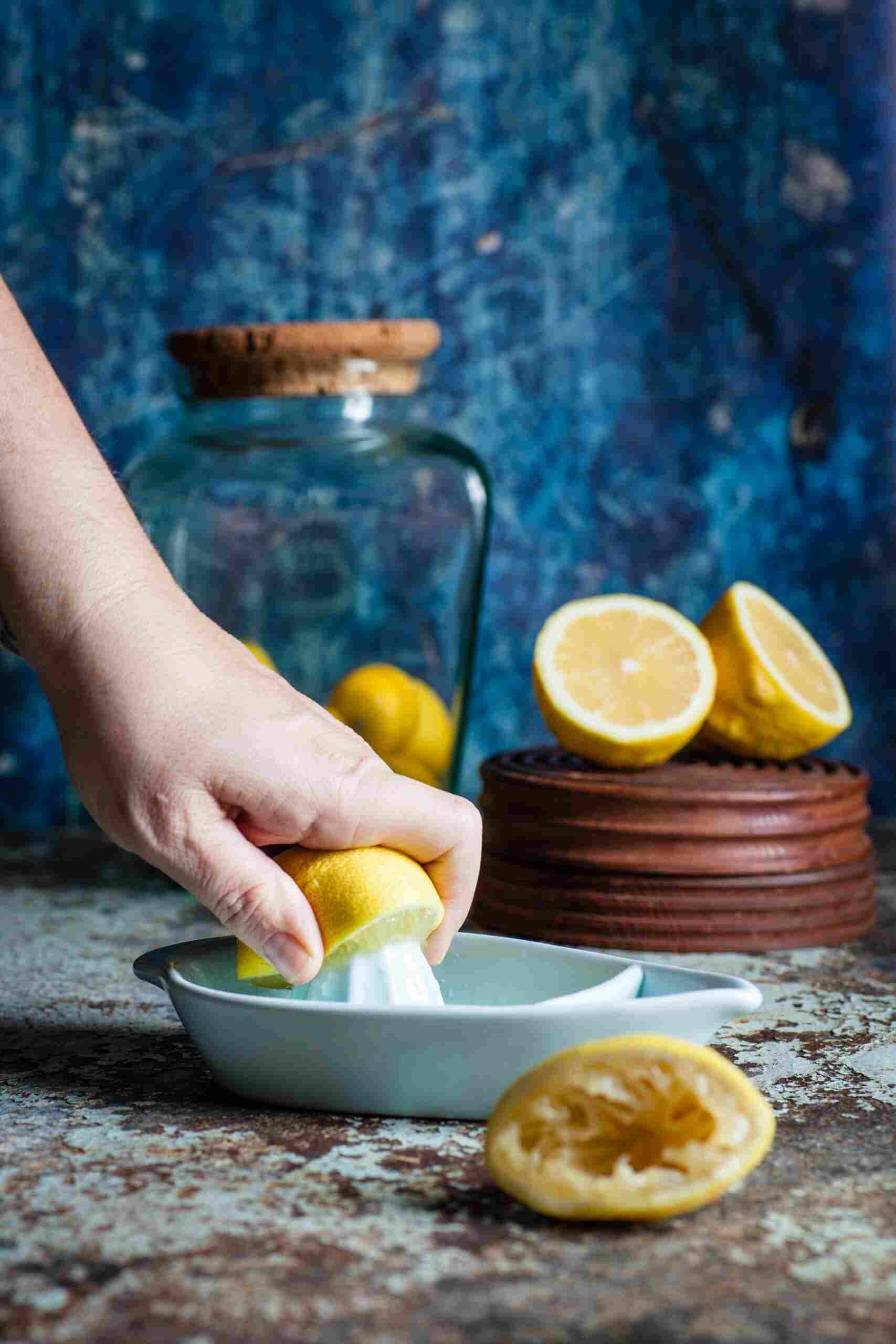
Mixtures like salt and baking soda or vinegar and baking soda will work for simple problems, but if you have a grease build up that’s been growing for years a natural product like these will not be the forever solution for you. As long as there is grease in the pipe the accumulation of build up will continue to come back time again.

What Are The Long Term Kitchen Grease Clog Solutions?

Cabling the line will be able to break through the problem most times, but if it break through the build up it may leave the residue on the sides of the pipe. If you hire a plumber to cable the line for you they will be able to cable in a fashion that will get more of the grease of the sides of the pipes giving you a better chance of the problem leaving, but even still-as long as there is grease on the sides of the pipe there is a chance more grease will attach to that grease and cause the same problem for you over time.

What is The Best Solution To A Kitchen Sink Grease Clog?
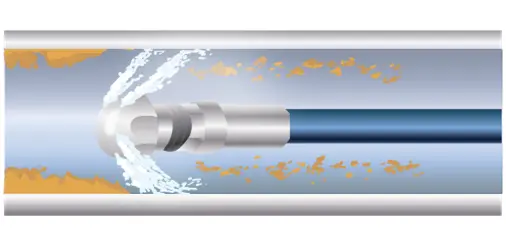
jetting clog

Best option is to have it hydro-jetted! A jetting machine will use 4,000 psi to remove every single thing in your pipe! This will remove the problem completely. Click here to learn more!
What Can I Put Down The Garbage Disposal?

Garbage disposal drain and kitchen sink illustrating proper waste disposal practices

What Can I Put Down The Garbage Disposal?

Garbage disposals are made for the small scraps left on your plate after eating, nothing more. Too often we try to push the limits on these devices and customers find themselves with unwanted clogs or jammed disposals hindering the daily chore of dishes.

What isn’t allowed in disposal? Find a short list of the things we’ve come across over the years causing issues for customers. Its not always about what can the garbage disposal handle, sometimes we have to consider if the drain line can carry it to sewer properly once the disposal has broken it down.

What should not be put in garbage disposal?

  • Lemon peels

-They get caught in the sides of the blades, and oftentimes won’t go down drain.

  • Potato peels/ banana peel

-These peels don’t chop up very well and can create a mush that is hard to drain.

  • Pasta, oatmeal, rice

-Items like these are sticky and expand in pipe causing drainage issues.

  • Childs toy/Non-Food items

-We’ve seen someone try to get rid of a toy without throwing it away in the trash, garbage disposal is never the answer.

-As a rule of thumb, foreign objects should never be put down the drain.

  • Egg shells

-They don’t go anywhere they just float in your kitchen drain, even if you use a jet machine to forcefully remove the shells the are moved around then settle back in the drain line and can cause build up in the line over the years.

  • Small bones

-This will cause the garbage disposal to jam up and stop working

  • Stringy foods or vegetables/ flower stems

-Excessive celery string can get wrapped up in the blade of a garbage disposal- a corn husk will not do well either for the same reason.

-Additionally the stems of roses will attempt to be shredded by the garbage disposal and become sectioned off into stings causing the same effect.

  • Grease-Oil-Fat

-You don’t put these down any drain- not even a toilet. These items get stuck to the pipe, and make the diameter of the pipe smaller- which doesn’t allow for proper flow.

-Can I put hot grease down if I run the hot water with it?

-No, any amount of grease will cause a clog over time, even the smallest amount.

  • Fish tank rocks

-Cleaning a fish bowl in kitchen can lead to a jam if the small rocks get down the drain

  • Holiday leftovers

-These large amounts of food should be thrown out- never put down garbage disposal.

TIP: Always run water when turning on the garbage disposal!

If you find yourself in a situation where you’ve already made these mistakes and need professional help getting your drain lines in order go here for more information. https://www.jdprecisionplumbing.com/plumbing/drain-cleaning/


Green Option!

Consider Composting instead of putting these items down your disposal! Here is a list of items you can compost.

(See below for a few things from our list that shouldn’t be composted.)

  • Fruits and vegetables
  • Eggshells
  • Coffee grounds and filters
  • Tea bags
  • Nut shells
  • Shredded newspaper
  • Cardboard
  • Paper
  • Yard trimmings
  • Grass clippings
  • Houseplants
  • Hay and straw
  • Leaves
  • Sawdust
  • Wood chips
  • Cotton and Wool Rags
  • Dryer and vacuum cleaner lint
  • Hair and fur
  • Fireplace ashes


Items from our list not to compost.

  • Fats, grease, lard, or oils*
    - Create odor problems and attract pests such as rodents and flies
  • Meat or fish bones and scraps*
    - Create odor problems and attract pests such as rodents and flies

Here is a website to learn more about composting, https://www.epa.gov/recycle/composting-home