
When Is a New Water Heater Needed?
Wondering if a water heater replacement is approaching? A chilly shower, rising utility costs, or unexplained noises from the tank often signal declining performance. Ignoring these early signs can lead to an emergency and significant water damage. The overview below highlights the most common warnings so a plan can be made before a failure disrupts daily water heating needs.
Temperature Issues
 Inconsistent hot water delivery is a frequent indicator that a system is nearing the end of dependable service. Temperature swings during a single shower, a rapid drop-off in available hot water, or long recovery times suggest internal wear. Sediment accumulation can insulate the bottom of the tank and reduce heat transfer, while aging heating elements or malfunctioning controls can further undermine performance.
When these problems persist, continued repairs may offer only short-term relief. Selecting a properly sized replacement and arranging professional water heater installation restores steady water heating, reduces the likelihood of repeat outages, and helps ensure safe operation. For households with changing demands, upgrading capacity or considering features that support simultaneous use can improve everyday comfort.
Leaks
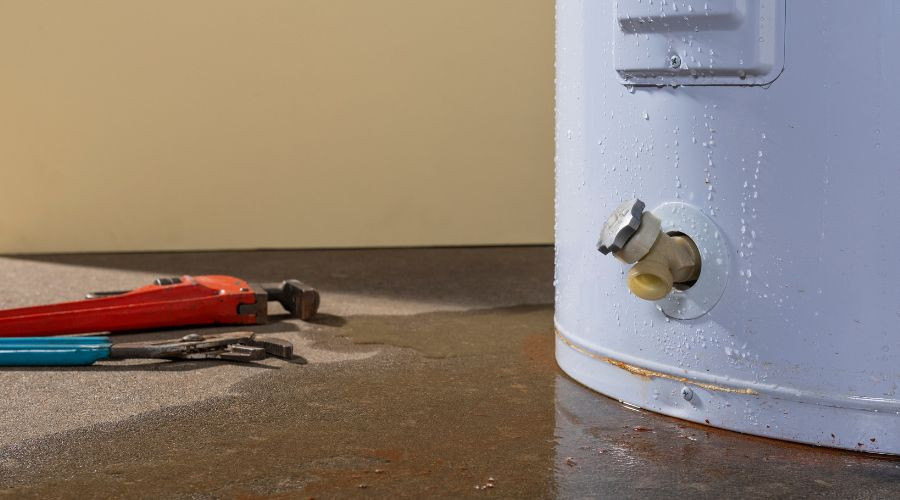
Visible moisture around the tank should be treated as an urgent warning. A leaking water heater might stem from fittings or valves, but water emerging from the tank body itself usually points to internal deterioration. Expansion and contraction during normal heating cycles tend to enlarge small defects, turning a minor water heater leak into a larger issue without much notice.
Early clues include rust-tinted streaks, mineral deposits, or dampness that returns after cleanup. Once structural integrity is compromised, patching rarely provides a lasting fix. Replacing the unit promptly is the safest approach to prevent escalating water damage to nearby floors, walls, and stored items. Timely water heater replacement also brings the chance to improve efficiency and match equipment to current household needs.
Age and Corrosion
 As a water heater ages, its internal components wear out, sediment builds up, and its efficiency declines. Around the later years of a typical service life, compounding issues often make repair less practical than replacement. Corrosion is an especially decisive sign. Rust-colored water from hot taps, a metallic odor, or visible corrosion on fittings are all indications that water heater corrosion has progressed beyond simple repair.
Once corrosion takes hold inside the tank, structural strength is reduced and the risk of a leak rises. Replacing an older, corroded unit before a breach occurs helps protect water quality and avoid costly cleanup. In addition, a new system installed by a qualified professional can stabilize water heating performance and reduce the ongoing maintenance burden.
For properties in need of a plan, consider these steps:
- Track hot water consistency and note recurring temperature swings.
- Inspect around the base of the tank for moisture and signs of a leaking water heater.
- Watch for discoloration, odors, or sediment that may signal water heater corrosion.
- Weigh repair costs against remaining service life, and schedule water heater installation when multiple warning signs appear.
A proactive approach keeps disruptions to a minimum and protects finishes and belongings from unexpected damage. With a well-timed upgrade, households regain reliable water heating and peace of mind.
About JD Precision Plumbing Services
JD Precision Plumbing Services is a dependable plumbing company providing expert service to the communities of Conroe and the surrounding areas. They offer upfront pricing, hassle-free service, and ensure no mess is left behind once they’re done. Call them today for water heater services in Conroe, TX.
)
Distribution Links +
- https://smb.magnoliastatelive.com
- https://smb.natchezdemocrat.com
- https://smb.orangeleader.com
- https://smb.panews.com
- https://smb.picayuneitem.com
- https://smb.alabamanow.com
- https://smb.albertleatribune.com
- https://smb.andalusiastarnews.com
- https://smb.alexcityoutlook.com
- https://smb.atmoreadvance.com
- https://smb.amnews.com
- https://smb.austindailyherald.com
- https://smb.americanpress.com
- https://smb.dailyleader.com
- https://smb.oxfordeagle.com
- https://smb.vicksburgpost.com
- https://smb.bluegrasslive.com
- https://smb.claiborneprogress.net
- https://smb.clantonadvertiser.com
- https://smb.elizabethton.com
- https://smb.jessaminejournal.com
- https://smb.kenbridgevictoriadispatch.com
- https://smb.leaderpub.com
- https://smb.troymessenger.com
- https://smb.windsorweekly.com
- https://smb.gatescountyindex.com
- https://smb.harlandaily.com
- https://smb.ourdavie.com
- https://smb.thecoastlandtimes.com
- https://smb.theinteriorjournal.com
- https://smb.tryondailybulletin.com
- https://smb.salisburypost.com
- https://smb.shelbycountyreporter.com
- https://smb.smithfieldtimes.com
- https://smb.suffolknewsherald.com
- https://smb.cordeledispatch.com
- https://smb.lagrangenews.com
- https://smb.middlesboronews.com
- https://smb.tallasseetribune.com
- https://smb.thepostsearchlight.com
- https://smb.valleytimes-news.com
- https://smb.lowndessignal.com
- https://pr.washingtoncitypaper.com
- https://smb.theleesvilleleader.com
- https://smb.prentissheadlight.com
- https://smb.beauregardnews.com
- https://pr.hattiesburg.com
- https://pr.boreal.org
- https://pr.stylemg.com
- https://pr.walnutcreekmagazine.com
- https://pr.thembnews.com
- https://pr.timesofsandiego.com
- https://pr.wncbusiness.com
- https://pr.franklintownnews.com
- https://pr.hopedaletownnews.com
- https://pr.naticktownnews.com
- https://pr.millismedwaynews.com
- https://pr.norfolkwrenthamnews.com
- https://pr.norwoodtownnews.com
- https://pr.omahamagazine.com
- https://pr.davisjournal.com
- https://pr.columbiabusinessmonthly.com
- https://pr.mysugarhousejournal.com
- https://pr.murrayjournal.com
- https://pr.millcreekjournal.com
- https://pr.midvalejournal.com
- https://pr.draperjournal.com
- https://pr.taylorsvillecityjournal.com
- https://pr.westjordanjournal.com
- https://pr.sandyjournal.com
- https://pr.southjordanjournal.com
- https://pr.valleyjournals.com
- https://pr.wvcjournal.com
- htv10.tv
- central.newschannelnebraska.com
- metro.newschannelnebraska.com
- southeast.newschannelnebraska.com
- northeast.newschannelnebraska.com
- plattevalley.newschannelnebraska.com
- panhandle.newschannelnebraska.com
- rivercountry.newschannelnebraska.com
- https://smb.magnoliastatelive.com
- https://smb.natchezdemocrat.com
- https://smb.orangeleader.com
- https://smb.panews.com
- https://smb.picayuneitem.com
- https://smb.alabamanow.com
- https://smb.albertleatribune.com
- https://smb.andalusiastarnews.com
- https://smb.alexcityoutlook.com
- https://smb.atmoreadvance.com
- https://smb.amnews.com
- https://smb.austindailyherald.com
- https://smb.americanpress.com
- https://smb.dailyleader.com
- https://smb.oxfordeagle.com
- https://smb.vicksburgpost.com
- https://smb.bluegrasslive.com
- https://smb.claiborneprogress.net
- https://smb.clantonadvertiser.com
- https://smb.elizabethton.com
- https://smb.jessaminejournal.com
- https://smb.kenbridgevictoriadispatch.com
- https://smb.leaderpub.com
- https://smb.troymessenger.com
- https://smb.windsorweekly.com
- https://smb.gatescountyindex.com
- https://smb.harlandaily.com
- https://smb.ourdavie.com
- https://smb.thecoastlandtimes.com
- https://smb.theinteriorjournal.com
- https://smb.tryondailybulletin.com
- https://smb.salisburypost.com
- https://smb.shelbycountyreporter.com
- https://smb.smithfieldtimes.com
- https://smb.suffolknewsherald.com
- https://smb.cordeledispatch.com
- https://smb.lagrangenews.com
- https://smb.middlesboronews.com
- https://smb.tallasseetribune.com
- https://smb.thepostsearchlight.com
- https://smb.valleytimes-news.com
- https://smb.lowndessignal.com
- https://pr.washingtoncitypaper.com
- https://smb.theleesvilleleader.com
- https://smb.prentissheadlight.com
- https://smb.beauregardnews.com
- https://pr.hattiesburg.com
- https://pr.boreal.org
- https://pr.stylemg.com
- https://pr.walnutcreekmagazine.com
- https://pr.thembnews.com
- https://pr.timesofsandiego.com
- https://pr.wncbusiness.com
- https://pr.franklintownnews.com
- https://pr.hopedaletownnews.com
- https://pr.naticktownnews.com
- https://pr.millismedwaynews.com
- https://pr.norfolkwrenthamnews.com
- https://pr.norwoodtownnews.com
- https://pr.omahamagazine.com
- https://pr.davisjournal.com
- https://pr.columbiabusinessmonthly.com
- https://pr.mysugarhousejournal.com
- https://pr.murrayjournal.com
- https://pr.millcreekjournal.com
- https://pr.midvalejournal.com
- https://pr.draperjournal.com
- https://pr.taylorsvillecityjournal.com
- https://pr.westjordanjournal.com
- https://pr.sandyjournal.com
- https://pr.southjordanjournal.com
- https://pr.valleyjournals.com
- https://pr.wvcjournal.com
- htv10.tv
- central.newschannelnebraska.com
- metro.newschannelnebraska.com
- southeast.newschannelnebraska.com
- northeast.newschannelnebraska.com
- plattevalley.newschannelnebraska.com
- panhandle.newschannelnebraska.com
- rivercountry.newschannelnebraska.com

